
Matcha for students: study with calm, steady energy
Baccalaureate, finals or entrance exams: matcha can support your revision with a calmer energy than energy drinks. Best timing, dose, sleep and a student-friendly budget.
For studying, matcha is an interesting alternative to coffee and energy drinks: a 2 g cup provides around 60 to 70 mg of caffeine, and the L-theanine that comes with it gives a calmer, steadier kind of energy. Drink it in the morning or early afternoon, one or two cups a day, and protect your nights: no drink can replace sleep before an exam.
Why do students like matcha?
The bac in June, university finals, entrance exams for top schools, prep classes: in Morocco as everywhere else, revision weeks are intense. Many students end up chaining strong coffees, energy drinks and sodas just to keep going. The usual result is a spike of energy, then a sudden crash, shaky hands and disrupted sleep.
Matcha works differently. Because you drink the whole tea leaf ground into powder, you get its caffeine but also L-theanine, an amino acid found naturally in tea. Together they give a calmer, more gradual energy that many people enjoy during long study sessions. It is not a magic potion for memorising your notes, but it is a gentler companion than a sugary can.
Matcha, coffee or energy drink: what is the difference?
- Matcha: around 60 to 70 mg of caffeine per 2 g cup, no sugar if you drink it plain, plus L-theanine.
- Filter coffee: about 95 mg in a large mug, often with a faster rush.
- Energy drinks: caffeine, but often a lot of sugar too. It is easy to have several without noticing.
For a detailed comparison, read our article matcha or coffee.
When should you drink matcha while studying?
- In the morning, with breakfast, to kick off your first study session.
- In the early afternoon, around 2 pm, when focus dips after lunch.
- On exam day, one cup at breakfast if you already drink it regularly. This is not the day to try a new drink.
Avoid matcha late in the day: caffeine stays active for several hours. After 4 or 5 pm, switch to water, a caffeine-free herbal tea or a glass of milk. To understand why, see our guide on matcha and sleep.
How many cups a day during exams?
One or two cups are enough for most students. The 400 mg per day caffeine reference applies to a healthy adult, and you need to count every source: coffee, mint tea, cola, energy drinks. If you are under 18, more sensitive, or experience palpitations, anxiety or a health condition, cut back and ask your doctor for advice. Our article on how much matcha per day explains these guidelines.
Why is sleep still your best ally?
This is the most important tip in this article. While you sleep, your brain consolidates what you learned during the day. An all-nighter before an exam often costs more than it gains. Keep regular hours, get enough sleep and put your phone away before bed. Matcha can help you feel alert in the morning, but it never replaces rest.
How much does a cup of matcha cost on a student budget?
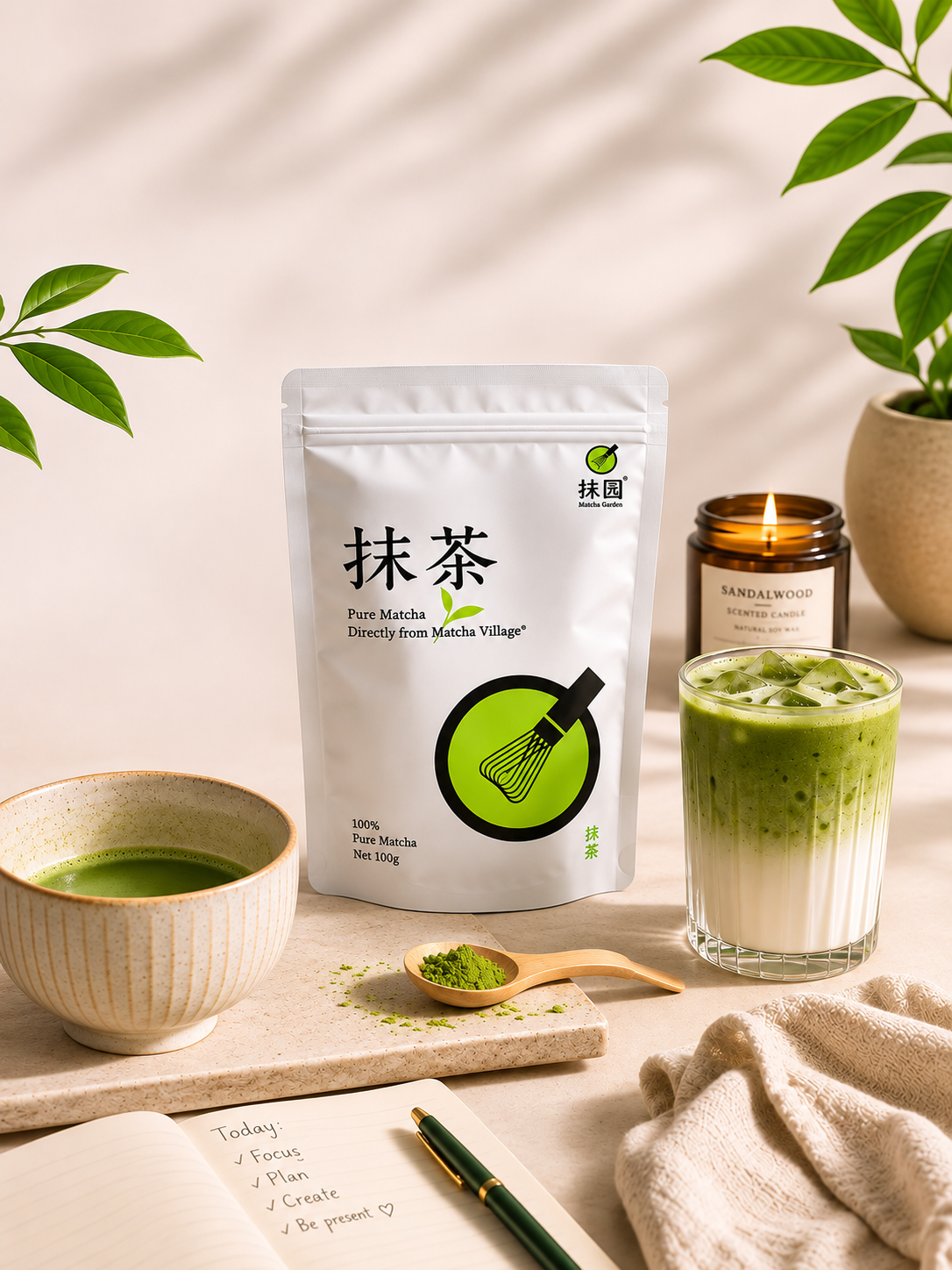
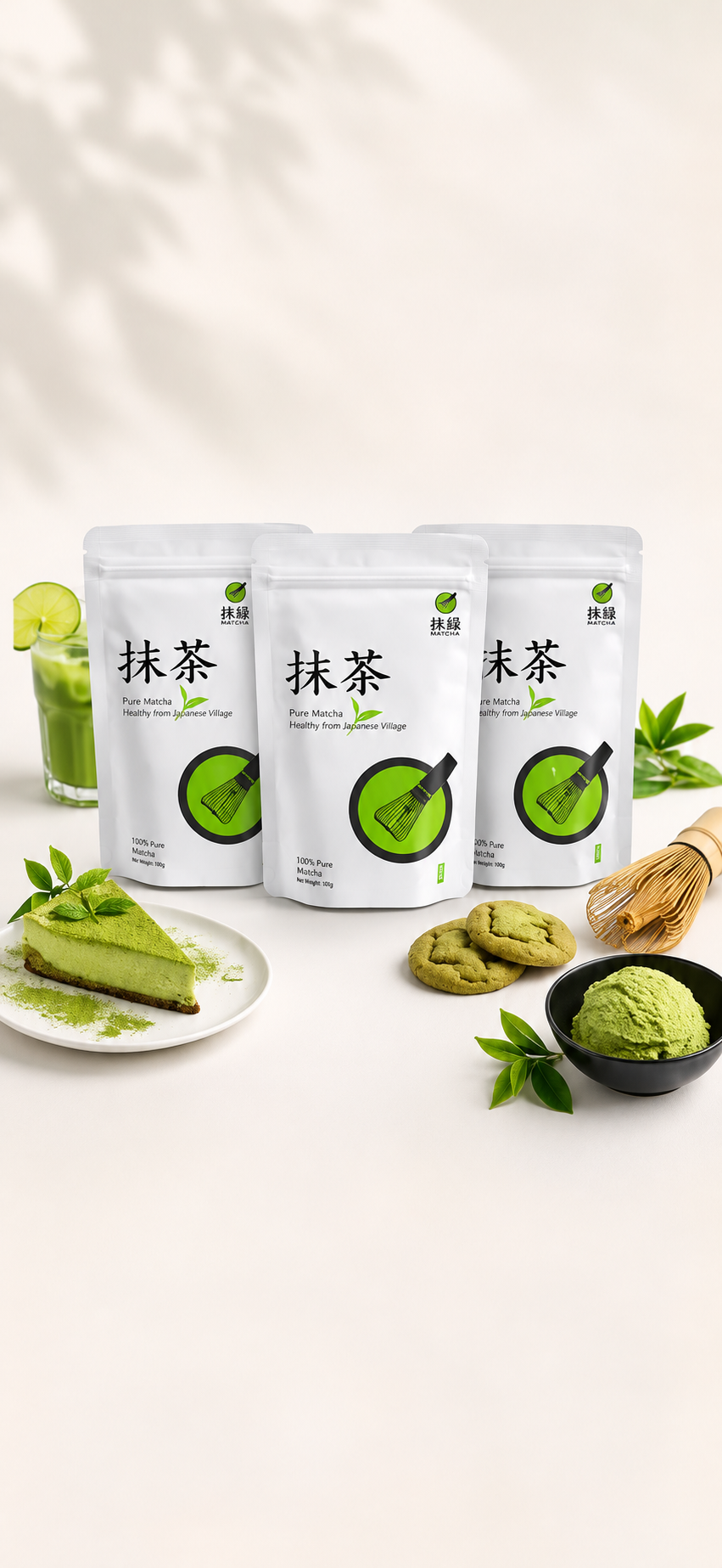
At the time of writing, our organic Pure Matcha powder costs 189 MAD for a 100 g pouch, which makes about 50 cups: under 4 MAD per cup. With the buy 2 pouches, get 1 free offer at 299 MAD, you get around 150 cups, roughly 2 MAD per cup, a great option to share with flatmates or classmates. Compare that with a takeaway coffee in town or an energy drink bought every day. Prices may change, so check the product page for the current price.
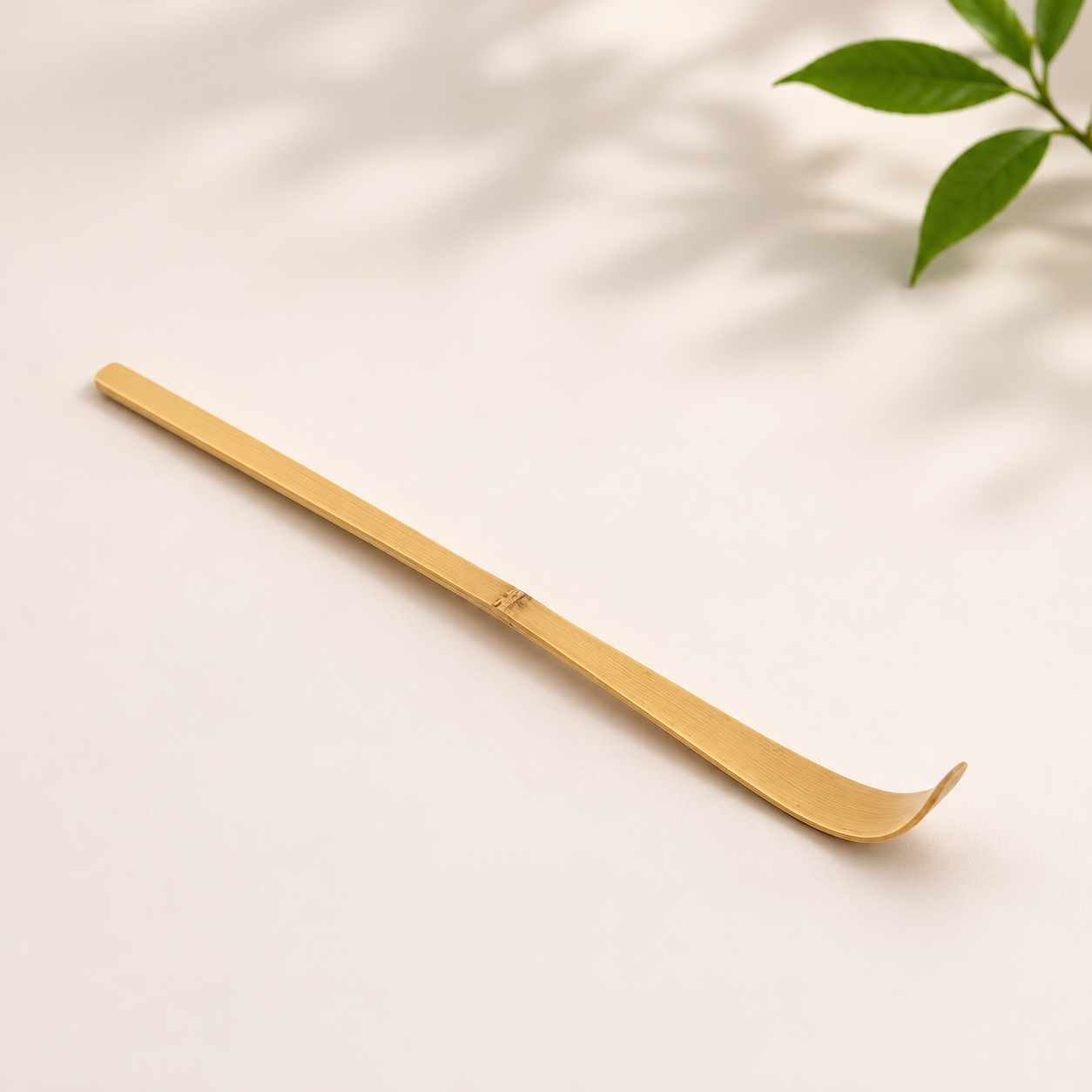
To measure without scales, the bamboo spoon is handy: two heaped scoops are roughly 2 g, the amount for one cup.
What does a study routine with matcha look like?
- Wake up: a big glass of water, a proper breakfast and a cup of matcha.
- Study session: 50 minutes of focus with your phone on silent, then a 10-minute break.
- Lunch and a short walk: moving a little helps you come back fresh to your notes.
- Early afternoon: a second cup if needed, plain or as a latte.
- Late afternoon: no more caffeine, lighter revision, flashcards and reading back.
- Evening: dinner, downtime and a regular bedtime.
Drink water throughout the day: matcha does not replace hydration.
How can you make matcha in a student room?
No complicated equipment needed. Sift 2 g of powder into a bowl or mug, add 70 to 80 ml of hot but not boiling water, around 70 to 80 °C, then mix vigorously with a small electric frother. No frother? A shaker or tightly closed jar, shaken for 20 seconds, works very well, even with cold water. For a more indulgent version, top it up with warm milk.
Matchaholic delivers free everywhere in Morocco, usually within 48 hours, with cash on delivery. Good luck with your exams!
FAQ
Does matcha help you focus when studying?
Matcha contains caffeine and L-theanine, a combination that many people find gives calmer energy than coffee. It does not replace sleep or good organisation, but it can support a study session.
When should I drink matcha before an exam?
At breakfast, about an hour before the exam, and only if you already drink it regularly. Exam day is not the time to try a new drink.
Can I drink matcha in the evening to study late?
It is better not to: caffeine stays active for several hours and can make it harder to fall asleep. After 4 or 5 pm, choose water or a caffeine-free herbal tea.
Can high school students taking the bac drink matcha?
Teenagers are generally more sensitive to caffeine, so keep to a small amount, ideally in the morning. If in doubt or if you have a health condition, ask your doctor.
How much does a cup of matcha cost?
At the time of writing, a 100 g pouch at 189 MAD makes about 50 cups, so under 4 MAD per cup. With the buy 2, get 1 free offer, it drops to around 2 MAD per cup.
For this recipe
What we use
Blog
Read next
Matcha and weight loss: what's true and what's exaggerated
Matcha will not make you lose weight on its own. Its real strength is replacing sodas, frappés and very sweet teas with a sugar-free drink. Here are the facts versus the hype.
Does matcha keep you awake? Caffeine, timing and tips
A cup of matcha contains 60 to 70 mg of caffeine, which stays active for several hours. Here is when to stop and how to enjoy it without ruining your nights.
Drinking matcha on an empty stomach: good or bad idea?
Matcha on an empty stomach suits some people and makes others queasy. It all depends on your stomach: here is how to enjoy it in the morning without discomfort.