
Matcha and sport: pre-workout timing, shakes and recovery
Gym, running or a football match with friends: matcha can be part of your training. When to drink it, how to add it to a protein shake and which precautions to keep in mind.
What you need
- 2 g matcha (1 level teaspoon)
- 1 ripe banana
- 250 ml milk or plant-based drink
- 1 scoop unflavoured or vanilla protein powder (25 to 30 g)
- 4 to 5 ice cubes
- 1 teaspoon honey (optional)
Preparation
- Peel the banana and cut it into chunks
- Sift the matcha into the blender jug
- Add the milk, protein powder and banana
- Add the ice and the honey if you like
- Blend for 30 to 45 seconds until smooth
- Pour into a tall glass or shaker and drink straight away
For sport, matcha is best taken 30 to 60 minutes before training: a 2 g cup provides around 60 to 70 mg of caffeine, with a calmer energy thanks to L-theanine. After your session, you can add it to a banana protein shake. Keep water as your main drink and be careful if you are sensitive to caffeine.
Why are athletes interested in matcha?
Caffeine is one of the most widely used ingredients among people who train: you find it in coffee, pre-workout boosters and many drinks. Matcha offers a moderate dose, with no sugar or additives when it is pure. Because you drink the whole leaf ground into powder, you also get the L-theanine and antioxidants of green tea: matcha is naturally rich in antioxidants.
Many people mostly enjoy the feeling: energy that builds gradually, without the jitters some experience with a strong booster.
When should you drink matcha before training?
Allow 30 to 60 minutes before your session, the time it takes for caffeine to kick in. A few pointers:
- Morning session: plain matcha or a small latte with a banana or a slice of toast, rather than on a completely empty stomach if yours is sensitive.
- After-work session: a matcha around 5 pm for a 6 pm workout, as long as you do not go to bed too early.
- Late-night session: better to skip it so you do not disrupt your sleep, which is essential for progress.
To make it in three minutes, follow our guide on how to prepare matcha.
Matcha and recovery: what can you expect?
Let us be honest: matcha is not a miracle recovery product and does not replace a balanced diet, sleep or hydration. After exercise, what matters most is drinking water, getting protein and carbohydrates, then resting. Matcha can, however, make your post-workout snack more enjoyable, for example in a banana matcha protein shake, with a short recipe on this page. For an indulgent version without protein powder, try our iced banana matcha latte.
Does matcha replace water during exercise?
No. During your session, sip water regularly, especially in summer when it climbs above 30 °C in Marrakech or Fez. Matcha comes before or after, never instead of your water bottle. For long runs and matches in full sun, water remains the foundation.
Gym, running, football: some practical ideas
- Gym: a shaker with 2 g of matcha and cold water 45 minutes before your session, then the protein shake afterwards. Easy to make in the changing room.
- Running: along the Casablanca or Rabat corniche at sunrise, a small matcha half an hour before, then plenty of water when you get back. Avoid large amounts just before running so your stomach does not feel heavy.
- Football with friends: for an evening match, an iced matcha in the late afternoon instead of a sugary energy drink.
- Padel, swimming, cycling: same logic, one cup 30 to 60 minutes before and water during.
How much, and what precautions?
One or two cups a day are enough, which is 60 to 140 mg of caffeine. The reference for a healthy adult is 400 mg per day in total, and no more than 200 mg in a single dose. If you already take a pre-workout booster, do not combine them: most also contain a lot of caffeine. Our article on how much matcha per day explains these guidelines.
Take extra care if you are sensitive to caffeine: palpitations, jitters, poor sleep or stomach upset are signals worth listening to. If you are pregnant, breastfeeding, on medication or have a heart or blood pressure condition, ask your doctor before drinking it, especially around intense exercise.
Which matcha should you choose if you train?
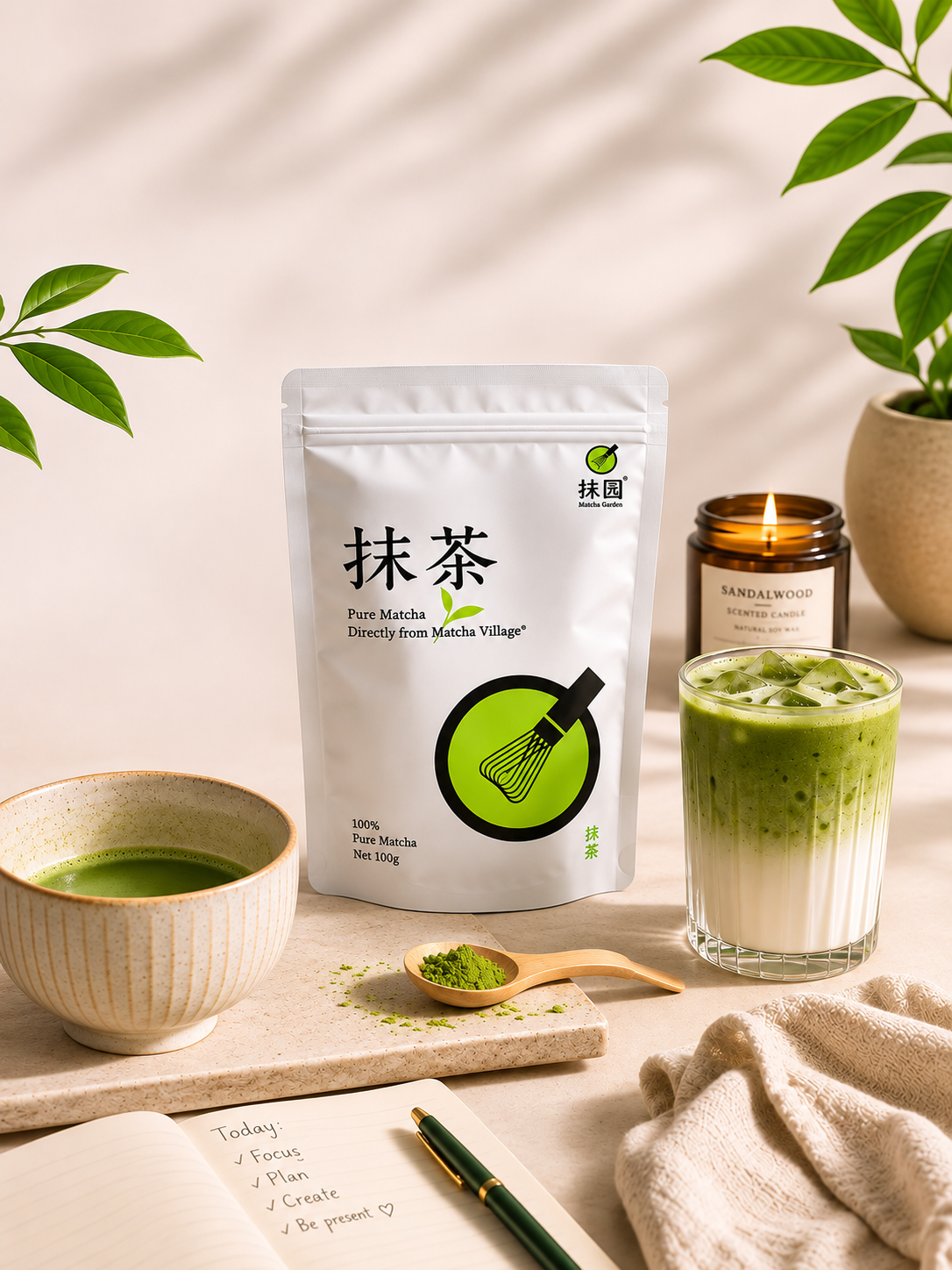
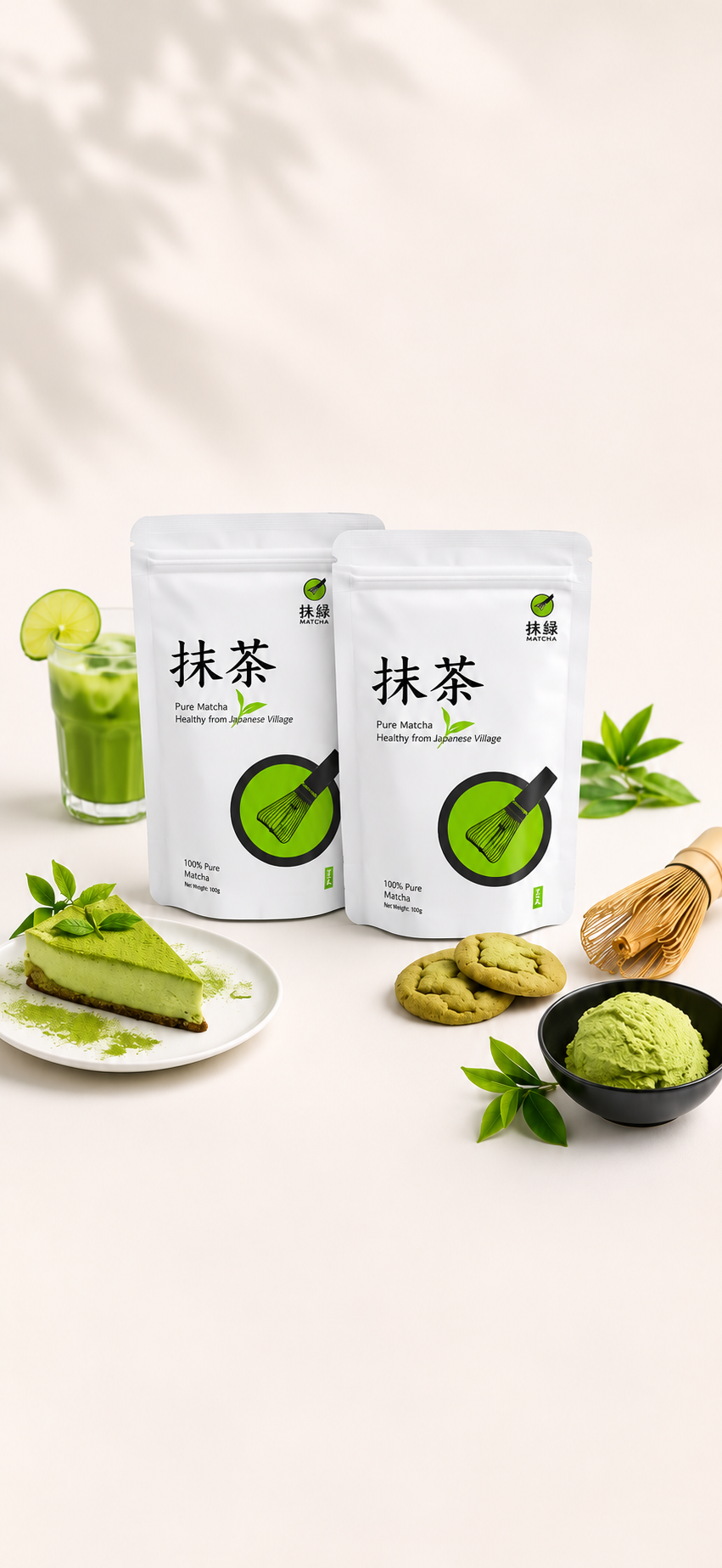
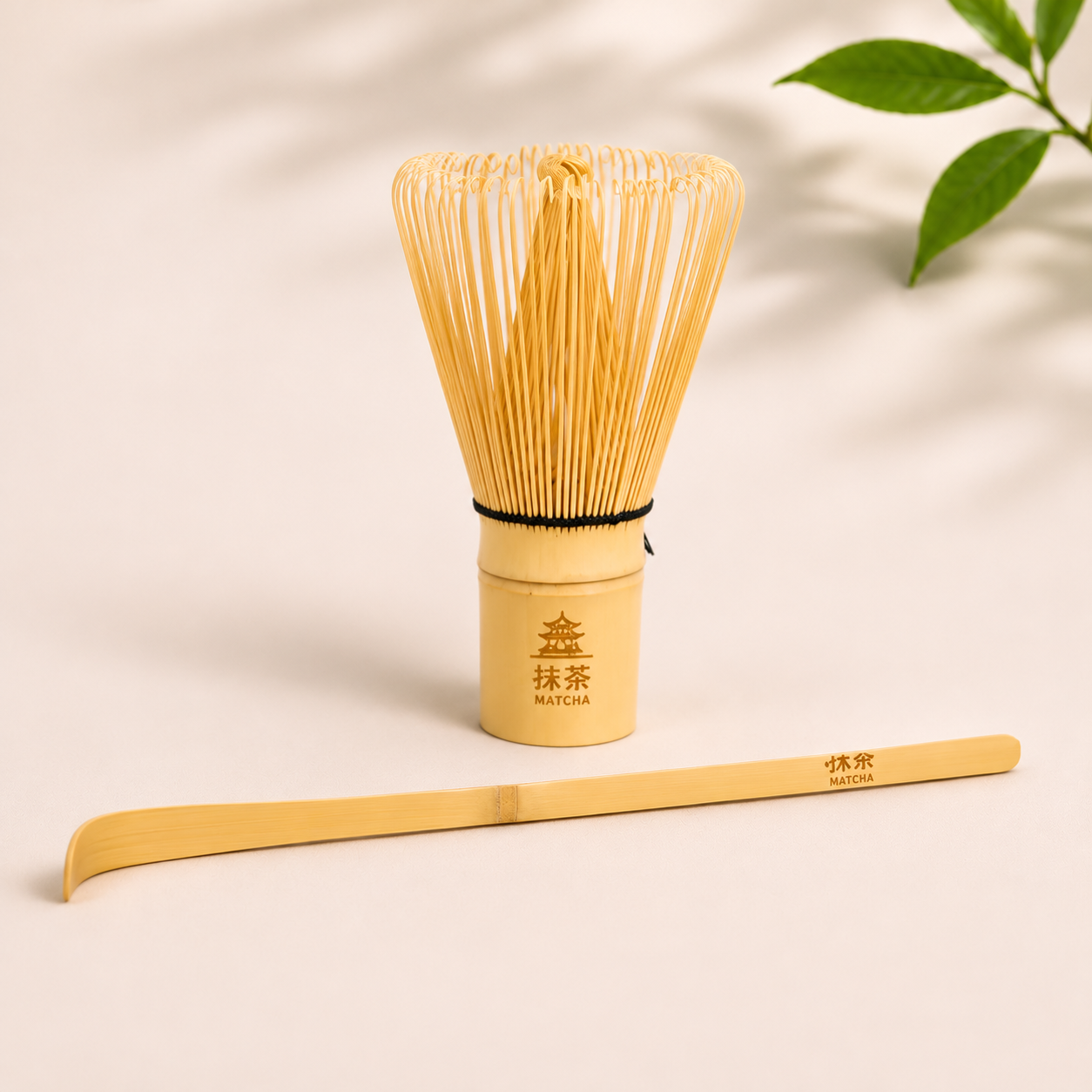
Go for pure matcha with no added sugar, so you stay in control of what you drink. Our organic Pure Matcha powder, 100% organic and from Japan, gives about 50 cups per 100 g pouch. If you have one before every session, the pack of 2 pouches was 249 MAD at the time of writing. For a finer foam in your lattes, the spoon and whisk set is a great addition. Prices may change, so check the product page.
Matchaholic delivers free everywhere in Morocco, usually within 48 hours, with cash on delivery and WhatsApp customer service 7 days a week. Enjoy your workout!
FAQ
How long before exercise should I drink matcha?
Drink it 30 to 60 minutes before your session, giving the caffeine time to work. Avoid having it right before a run if you have a sensitive stomach.
Can matcha replace a pre-workout?
Matcha provides a moderate dose of caffeine, about 60 to 70 mg per cup, often less than commercial boosters. Some people prefer it for that reason; either way, do not combine the two.
Can you put matcha in a protein shake?
Yes, 2 g of matcha blends very well with a banana, milk and a scoop of protein. Blend for 30 to 45 seconds for a smooth texture.
Does matcha help muscle recovery?
Matcha is rich in antioxidants, but it does not replace the basics of recovery: water, protein, carbohydrates and sleep. Think of it as an enjoyable drink, not a treatment.
For this recipe
What we use
Blog
Read next
Matcha and weight loss: what's true and what's exaggerated
Matcha will not make you lose weight on its own. Its real strength is replacing sodas, frappés and very sweet teas with a sugar-free drink. Here are the facts versus the hype.
Does matcha keep you awake? Caffeine, timing and tips
A cup of matcha contains 60 to 70 mg of caffeine, which stays active for several hours. Here is when to stop and how to enjoy it without ruining your nights.
Drinking matcha on an empty stomach: good or bad idea?
Matcha on an empty stomach suits some people and makes others queasy. It all depends on your stomach: here is how to enjoy it in the morning without discomfort.